Have you ever bought a skincare product because it promised glowing, healthy-looking skin, only to find that your routine still feels confusing? You are not alone. Many people spend money on cleansers, serums, moisturizers, and treatments without knowing whether those products actually suit their skin.

The truth is that a good skin care routine does not need to be complicated or expensive. It should match your skin type, fit your lifestyle, and include the basic steps your skin needs consistently.
If you have been wondering how to make a good skin care routine, this beginner-friendly guide will help you understand your skin, choose practical products, and avoid common mistakes that can make your routine harder than it needs to be.
Why Your Skin Care Routine Might Not Be Working
Sometimes, the problem is not that you need more products. It may be that your routine contains too many unnecessary steps or products that do not suit your skin.
Here are some common reasons a skincare routine may not be working as expected:
Using products for the wrong skin type: A rich moisturizer may feel uncomfortable on oily skin, while a lightweight formula may not provide enough moisture for very dry skin.
Changing products too frequently: Switching between products every few days makes it difficult to understand what works for you.
Over-exfoliating: Using exfoliating acids or scrubs too often can irritate your skin and weaken its protective barrier.
Skipping sunscreen: Sun exposure can contribute to premature skin aging and worsen the appearance of uneven pigmentation.
Expecting instant results: Many skincare products require consistent use over several weeks before their effects become noticeable.
Instead of adding another product to your shelf, start by simplifying your routine and identifying what your skin actually needs.
Step 1: Identify Your Skin Type Before Buying Products
Before learning how to create a skin care routine, take a moment to understand your skin type. Your skin’s needs may change with weather, age, hormones, and other factors, so consider this a starting point rather than a permanent label.
Dry Skin
Dry skin may feel tight after cleansing and can appear rough, flaky, or uncomfortable.
What to look for:
Gentle, non-stripping cleansers
Cream-based moisturizers
Ingredients such as glycerin, ceramides, and hyaluronic acid
Avoid harsh cleansers and excessive exfoliation if your skin frequently feels tight or irritated.
Oily Skin
What to look for:
A gentle cleanser
A lightweight, non-comedogenic moisturizer
A broad-spectrum sunscreen that feels comfortable on your skin
You do not need to remove every trace of oil. Over-cleansing can leave your skin irritated and uncomfortable.
Combination Skin
Combination skin may feel oily in the T-zone while remaining normal or dry on the cheeks.
What to look for:
A gentle cleanser
A lightweight moisturizer
Products that can be adjusted for different areas of your face
You may find that your forehead needs a lighter moisturizer than your cheeks.
Sensitive Skin
Sensitive skin may sting, burn, itch, or become red when exposed to certain products or environmental triggers.
What to look for:
Fragrance-free products
Gentle cleansers
Simple moisturizers with barrier-supporting ingredients
Introduce new products one at a time. If you experience persistent irritation, consider speaking with a qualified dermatologist.
Step 2: Build a Simple Morning Skin Care Routine
Your morning routine should help cleanse your skin when needed, maintain moisture, and protect it from sunlight.
You do not need a long list of products to get started.
1. Cleanse Gently
Wash your face with a gentle cleanser that suits your skin. If your skin is very dry or sensitive, you may not need a strong cleanser every morning.
Avoid scrubbing your face aggressively. Lukewarm water and gentle cleansing are usually sufficient.
2. Apply Moisturizer
Moisturizer helps reduce water loss and supports your skin’s protective barrier.
Choose a creamier formula if your skin is dry or a lightweight lotion or gel if you prefer a less heavy texture. Oily skin still benefits from appropriate moisturizing.
3. Finish With Sunscreen
Sunscreen is one of the most important steps in a daytime skincare routine.
Choose a broad-spectrum sunscreen with SPF 30 or higher. Apply it generously to exposed skin and reapply about every two hours when outdoors, as well as after swimming or sweating, following the product’s directions.
If you are trying to manage uneven pigmentation or melasma, daily sun protection is particularly important.
Step 3: Create a Nighttime Skin Care Routine
Your nighttime routine can focus on removing the day’s buildup and keeping your skin comfortable while you sleep.
1. Remove Sunscreen and Makeup
Use a suitable cleanser to remove sunscreen, makeup, sweat, and dirt. If you wear heavy makeup or water-resistant sunscreen, you may prefer an appropriate first cleansing step followed by a gentle facial cleanser.
Avoid harsh rubbing, especially around the eyes.
2. Use Treatment Products Carefully
You may eventually decide to add a treatment for concerns such as acne, uneven skin tone, or signs of aging. However, you do not need a treatment serum to have an effective basic routine.
Introduce one active ingredient at a time, follow its instructions, and stop using it if you develop significant irritation. If you have a persistent skin condition, ask a dermatologist about suitable options.
3. Moisturize Before Bed
Apply a moisturizer that suits your skin type. A comfortable nighttime moisturizer can help support the skin barrier and reduce dryness.
If your skin is already irritated, keep your routine simple instead of adding several new products.
Step 4: Avoid These Common Skin Care Mistakes
Even an expensive skincare collection cannot make up for a routine that irritates your skin or does not address your needs.
Mistake 1: Using Too Many Products at Once
Layering multiple serums, exfoliants, and treatments can make your routine confusing and increase the chance of irritation.
Try this instead: Begin with cleanser, moisturizer, and sunscreen. Add other products only when you have a clear reason to use them.
Mistake 2: Exfoliating Too Often
Frequent scrubbing or excessive use of exfoliating acids may cause redness, dryness, stinging, and sensitivity.
Try this instead: Start cautiously if you choose to exfoliate, follow product directions, and reduce or stop use if irritation develops.
Mistake 3: Copying Someone Else’s Routine
A routine that works for a beauty influencer may not work for you. Skin types, sensitivities, environments, and concerns differ.
Try this instead: Choose products based on your own skin’s needs rather than the number of products someone else uses.
Mistake 4: Ignoring Sunscreen
Skipping sunscreen can undermine your efforts to protect your skin from UV damage and help manage uneven pigmentation.
Try this instead: Make broad-spectrum SPF 30 or higher a consistent part of your morning routine.
Mistake 5: Expecting Overnight Results
Most skincare changes are gradual. Some products may take several weeks to show noticeable benefits, and results vary from person to person.
Try this instead: Keep your routine consistent, track how your skin responds, and change one product at a time.
Step 5: Choose Ingredients That Match Your Needs
Understanding a few common skincare ingredients can help you shop more confidently.
| Skin concern | Ingredients to consider | What they can do |
|---|---|---|
| Dryness | Glycerin, ceramides, hyaluronic acid | Help hydrate skin or support the skin barrier |
| Oily skin | Niacinamide | May help improve the appearance of oiliness for some people |
| Uneven skin tone | Niacinamide, azelaic acid | May help improve the appearance of uneven pigmentation |
| Sun protection | Broad-spectrum sunscreen | Helps protect against UVA and UVB radiation |
| Skin barrier support | Ceramides, glycerin | Help maintain moisture and skin comfort |
No ingredient works perfectly for everyone. Product concentration, formulation, skin sensitivity, and consistent use all matter. Patch-test new products according to their instructions, and avoid introducing several new active ingredients at the same time.
Step 6: What If You Have Melasma or Dark Spots?
If uneven pigmentation is your main concern, your routine should prioritize gentle care and consistent sun protection.
Melasma is a skin condition associated with patches of darker pigmentation. Sunlight and visible light can contribute to worsening pigmentation in some people, and hormonal factors may also play a role.
Consider these practical habits:
Use broad-spectrum sunscreen with SPF 30 or higher every morning.
Consider a tinted sunscreen containing iron oxides, which may provide additional protection against visible light.
Reapply sunscreen as directed, especially when spending time outdoors.
Avoid harsh scrubs and treatments that cause irritation.
Ask a dermatologist about treatment options if pigmentation persists or worsens.
Skincare routines may help support the management of uneven skin tone, but they cannot guarantee that melasma will disappear. A dermatologist can help identify appropriate treatment options for your individual situation.
Step 7: Take This Quick Skin Care Routine Check
Not sure whether your current routine needs simplifying? Use these questions to review your habits.
Do I know whether my skin is dry, oily, combination, or sensitive?
Do I use a gentle cleanser that does not leave my skin uncomfortable?
Do I moisturize according to my skin’s needs?
Do I apply broad-spectrum sunscreen during the day?
Do I introduce new products gradually?
Do I avoid using several irritating treatments at once?
Do I give suitable products enough time to show results?
If you answered “no” to several questions, do not worry. You do not need to replace your entire skincare collection. Start by improving one basic habit at a time.
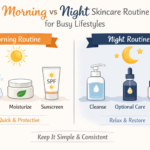
A Simple Skin Care Routine You Can Follow Every Day
If you feel overwhelmed by skincare advice, use this beginner-friendly plan as a starting point.
Morning
Gentle cleanser, if needed
Moisturizer
Broad-spectrum sunscreen SPF 30 or higher
Night
Gentle cleanser
Optional treatment suited to your skin and concerns
Moisturizer
You can keep this routine simple while learning how your skin responds. Additional products are optional, not mandatory.
Frequently Asked Questions
How do I create a skin care routine for beginners?
Start with three basics: a gentle cleanser, a suitable moisturizer, and broad-spectrum sunscreen for daytime use. Add treatment products gradually if you have a specific concern.
What is the best skin care routine for oily skin?
A gentle cleanser, lightweight non-comedogenic moisturizer, and broad-spectrum sunscreen are useful starting points. Avoid aggressive cleansing, which may irritate your skin.
Should I follow a different routine in the morning and at night?
Generally, yes. Your morning routine emphasizes sun protection, while your nighttime routine focuses on removing sunscreen and daily buildup and maintaining moisture.
How long does it take for a skin care routine to work?
It depends on the product and the concern you are addressing. Hydration may feel better relatively quickly, while acne, uneven pigmentation, and signs of aging can take longer to improve. Results vary, so follow product instructions and seek professional advice when needed.
Do I need expensive skincare products?
No. Price alone does not determine whether a product suits your skin. A simple routine with appropriate, well-tolerated products can be a practical starting point.
Can the same skin care routine work for everyone?
Not exactly. People have different skin types, sensitivities, and concerns. The best approach is to build a routine around your needs and adjust it carefully when necessary.
Final Thoughts: Stop Making Skin Care More Complicated Than It Needs to Be
Your skincare routine might not need another trending serum or expensive product. It may simply need a few well-chosen basics, consistent sun protection, and less experimentation.
Start by understanding your skin type, building a manageable morning and nighttime routine, and avoiding products that cause irritation. Give your routine time, pay attention to how your skin responds, and seek professional guidance for persistent or concerning skin problems.
Remember: a good skin care routine is not the one with the most products. It is the one you can follow consistently and comfortably.
Explore more beginner-friendly skincare guides on Nourishae to learn how to build a routine that fits your skin and lifestyle.
Disclaimer: This article is for general educational purposes only and is not a substitute for professional medical advice, diagnosis, or treatment. Consult a qualified healthcare professional or dermatologist for personalized skincare guidance.